Table of contents
Discover how mulchers and chippers are transforming land management practices across various environments. Whether dealing with overgrown forests or maintaining urban green spaces, these powerful machines provide an adaptable solution for handling natural debris efficiently. Uncover the diverse applications, benefits, and technical considerations of using mulchers and chippers to optimize land care and promote environmental sustainability in the following sections.
Understanding mulchers and chippers
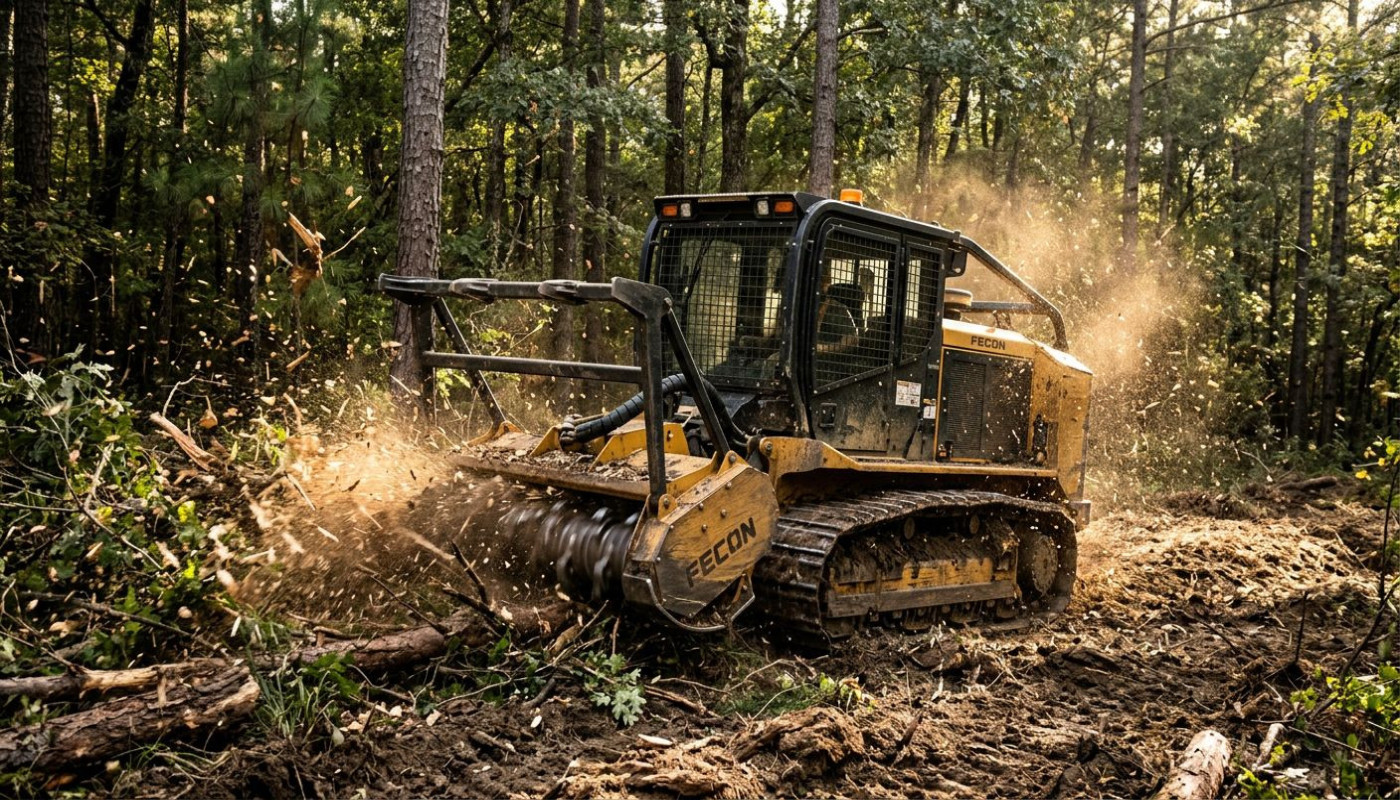
When choosing between mulchers and chippers for land management, it becomes clear each machine serves a distinct purpose in vegetation control and debris removal. Mulchers are designed to reduce brush, branches, and small trees into fine mulch by using a high-speed rotor assembly equipped with cutting tools. This process allows for efficient coverage of large areas, making mulchers particularly suitable for forestry equipment applications, fire prevention, and habitat restoration projects. In contrast, chippers are engineered to transform larger branches and logs into wood chips through a powerful rotor assembly with sharp blades. Such machines are often employed for site clearing, storm cleanup, and managing large volumes of woody debris that require transportation or further processing.
The main difference lies in the end product and operational focus: mulchers are favored when fine, ground cover is needed on-site, while chippers are selected for scenarios where wood chips are used for mulch, biofuel, or disposal. Professionals often assess property size, debris type, and project goals when deciding between these forestry equipment options. Both machines play vital roles in effective land management, but the mechanical action of the rotor assembly in each offers tailored solutions. For a deeper comparison of these machines and their applications in land management, this article provides comprehensive insights: article.
Applications in forestry and agriculture
Mulchers and chippers have become indispensable tools in both forestry and agriculture, offering a wide range of functions from brush clearing to field preparation. In forestry mulching, dense undergrowth and unwanted vegetation are transformed into nutrient-rich mulch directly on site, promoting more efficient land clearing and facilitating subsequent planting or reforestation efforts. Agricultural chippers play a similar role by processing branches, prunings, and crop residues into manageable wood chips or organic matter that can be easily redistributed across fields. This process not only streamlines land management but also aids in reducing wildfire risks by removing flammable debris and creating accessible pathways for machinery and personnel in large, wooded areas.
A major advantage of utilizing mulchers and chippers is their contribution to soil improvement and biodiversity. By converting organic waste into mulch or chips, these machines enhance soil structure, increase moisture retention, and provide a slow-release source of nutrients for plants. The mulch layer protects soil from erosion, suppresses weeds, and supports a healthy ecosystem of microorganisms and insects. Biomass conversion, the technical process of transforming organic residues into energy or soil amendments, ensures that what would otherwise be discarded as waste becomes a valuable resource, closing nutrient cycles and encouraging more sustainable land practices. This approach benefits not just the productivity of croplands but also supports the broader ecological health of managed forests and agricultural landscapes.
Efficient brush clearing and residue management facilitated by mulchers and agricultural chippers contribute to better land preparation, making it easier to plant new crops, establish pasture, or maintain timber stands. The integration of these machines into regular land management routines allows farmers and foresters to maintain cleaner, safer, and more productive environments. Mulchers and chippers, when used thoughtfully, help balance productivity with environmental stewardship, ensuring that land is both economically viable and ecologically resilient for future generations.
Innovations in machine technology
Recent advancements in mulcher technology and chipper innovation have transformed land management practices, introducing features that prioritize user safety, operational efficiency, and environmental sustainability. Enhanced safety systems, such as automatic shut-off sensors and advanced guard designs, have drastically reduced the risk of injury during operation. In tandem, improved fuel efficiency through optimized engine design and the integration of hydraulic drive mechanisms allow these machines to deliver powerful performance while minimizing energy consumption and reducing emissions. Smart controls represent a significant leap forward, providing operators with real-time diagnostics, programmable settings, and remote monitoring capabilities, streamlining both routine and complex tasks.
These improvements have led to safer work environments, as operators benefit from intuitive safety systems and better machine feedback. The adoption of hydraulic drive technology not only boosts fuel efficiency but also enables more precise and controlled processing of vegetation, resulting in finer mulch and uniform wood chips. Smart controls further elevate productivity by automating routine functions and alerting users to maintenance needs, reducing downtime and repair costs. Collectively, these innovations ensure that modern mulchers and chippers are not only more effective tools for land management, but also contribute to long-term environmental health by supporting sustainable land clearing and debris processing practices.
Environmental impact and sustainability
Mulchers and chippers play a significant role in environmental sustainability by transforming organic debris into valuable resources, greatly reducing landfill waste and promoting responsible waste management. By processing branches, leaves, and other vegetative matter onsite, these machines help prevent the release of methane from decomposing yard waste in landfills and contribute to reduced emissions. Using mulched material to enrich soil not only supports healthy ecosystem function but also aids in carbon sequestration, storing carbon in the soil for extended periods and mitigating atmospheric carbon dioxide. Sustainable land management practices using mulchers and chippers foster ecosystem health by returning nutrients to the soil, supporting biodiversity, and minimizing soil erosion.
To maximize the ecological benefits and ensure optimal results, it is recommended to adopt best practices such as selecting equipment with efficient engines, utilizing the processed material locally to close ecological loops, and avoiding the spread of invasive species through thorough cleaning and proper disposal methods. Implementing these strategies allows land managers to maintain productive landscapes with a minimal environmental footprint, enhancing the long-term sustainability of land resources. When integrated into broader conservation strategies, mulching and chipping become powerful tools for responsible environmental stewardship, contributing to reduced emissions, improved waste management, and the preservation of ecosystem services vital for future generations.
Maintenance and safety considerations
Proper mulcher maintenance and chipper safety are indispensable for any operator aiming to optimize equipment lifespan and operational reliability. Regular inspections should be part of a preventive maintenance schedule, with a focus on monitoring wear and tear, checking hydraulic and electrical systems, and ensuring all safety features function correctly. Blade sharpening is not just a matter of efficiency; dull blades can lead to dangerous jams or kickbacks, increasing operational risk. Keeping blades sharp also reduces strain on the engine and hydraulic components, supporting long-term durability. Fluid levels, belts, and fasteners must be checked routinely, as small issues can quickly escalate into costly repairs or hazardous situations if neglected.
Operator safety takes precedence at all times, with certified heavy equipment safety instructors recommending thorough training prior to machine use. Operators should always wear protective gear, such as eye and ear protection, gloves, and steel-toed boots. It is vital to keep bystanders at a safe distance and never override safety guards or emergency shut-off mechanisms. Common risks, including flying debris and mechanical failures, can be mitigated by adhering to manufacturer guidelines and maintaining situational awareness. Adopting a proactive approach with a robust preventive maintenance schedule not only preserves equipment lifespan but also ensures that each use remains as safe as possible for every operator.
Similar articles

The Therapeutic Power of Gardening: A Deep Dive

Unraveling the Mystique of Bio-architecture
